Küba'da Turist Olmakla Küba Vatandaşı Olmak Arasındaki Fark
Bu yazımın amacı,son zamanlar da tüm dünya da ve ülkemiz de çok popüler bir destinasyon olan ve değişiyor değişecek kapitalizme dönecek gibi iddiaların eşliğinde Küba hakkında meraklıların bilgilerini doğru bir şekilde güncelleyebilmektir.Küba konusunda bir çok yazar,blogger yazılar yazdılar.Doğru olan şeyler de var yanlış bilinenler de….
4 kez Küba’ya gidip geldim.Bu gezilerimde oradan arkadaşlar edindim.Cervantes te temel düzeyde İspanyolca eğitimi aldım ve Kübalı dostlarımla sürekli pratik yaparak biraz daha geliştirdim İspanyolcamı ve bu da Küba’lı insanları daha iyi anlamam da bana çok yardımcı oldu.Çünkü ülkede İngilizce bilen insan sayısı oldukça az..Küba’ya gidişlerimle 1-2 ay gibi sürelerde arkadaşımın ve ailesinin evlerinde kaldım ve gerçek bir Kübalı gibi yaşama fırsatı buldum.
Devletin her ay dağıttığı ücretsiz yiyecekleri almak için arkadaşımın karnesi ile sıraya girdim,belediye otobüsleri ve kamyonlar ile seyahat ettim,evde toplanan artık malzemeleri komşunun domuzlarına vermek için taşıdım, hararetli sohbetlerine,sokak lambası altında domino oyunlarına katıldım.Bu süreler de, aile yapısı,insan davranışları ve ilişkileri,ülke gerçekleri gibi önemli konularda ciddi gözlemler yapmış, onlarla beraber yaşamış biri olarak böyle bir yazı yazma gereği duydum.4 yıldır neredeyse yarı Kübalı gibi onların adet gelenek ve görenekleri ile yaşıyorum.
Küba'da Turist Olmak / Turist Olarak Ziyaret
İlk kez 2012 yılında fotoğraf turu ile turist olarak gittim hayallerimin ülkesi Küba’ya.10 günlük bir gezi programı dahilinde değişik şehirlere gittik ve fotoğraflar çektik.Öncelikle şu tespiti yapmak gerekiyor;küba’da turist olmak ayrı bir şey,Küba’lı olarak yaşamak bambaşka bir şey.
Küba’ya ilk kez gezmek için gidecekler,internette biraz araştırınca blog yazılarını okuyunca genel olarak şöyle bir tablo çıkıyor;eski Amerikan arabaları her yerde,insanlar sokaklarda canlı müzik yapıyorlar,dans edenler,güzel kızlar,puro,rom,tarihi coloniel binalar falan her şey çok güzel.Tüm bunlar yanlış mı? Değil tabii ki.Hemen hemen tüm turistlerin karşılaştıkları manzara bu.Fakat bu,baktığınız madalyonun bir yüzü.


Tur şirketlerinden Küba gezisi için ortalama 2000-2500 Euroya bir tur satın alırsınız.Havalanından sizi yerel tur şirketi karşılar ve klimalı otobüslere binip,Küba’lılar için çok lüks sayılabilecek,herhangi bir Kübalının hayatı boyunca belki de hiç gidemeyeceği otelinize geçersiniz.Oteller genel de her şey dahil konseptindedir.Otelde yemekler açık büfe et,tavuk,balık sebze,meyve,tatlı içecek bir çok şeyi bulursunuz.Odalardaki mobilyalar biraz eski de olsa temiz havlu,çarşaf, ihtiyacınız olan her şey bulunur.Devlet gözetiminde konaklama için kiraya verilen bir çok evde de benzer rahatlığı bulabilirsiniz.Özellikle Miramar ve çevresindeki evlerde.
Klasik Amerikan arabaları ile Havana şehir turu ile başlarsınız Küba macerasına, Pınar Del Rio, Cienfuegos, Trinidad, Santa Clara, Varadero gibi şehirlerde devam eder geziniz. Öğle yemeklerini turistik kafe veya restoranlarda yer, bol fotoğraf çeker, hediyelik eşyalar, rom, puro vs. alır, Devrim Meydanı'nda klasik sol yumruk havada pozu verir, gece isteyenler müzik kulüplerinde salsa ve Latin dansları yapar, derken hoop 1 haftayı bitirirsiniz. Yine klimalı otobüslerle havaalanına transfer olup, her anını doya doya yaşadığınız, her şeyin gözünüze çok güzel göründüğü bir Küba turu sona erer.
Klasik Amerikan arabaları ile Havana şehir turu ile başlarsınız Küba macerasına, Pınar Del Rio, Cienfuegos, Trinidad, Santa Clara, Varadero gibi şehirlerde devam eder geziniz. Öğle yemeklerini turistik kafe veya restoranlarda yer, bol fotoğraf çeker, hediyelik eşyalar, rom, puro vs. alır, Devrim Meydanı'nda klasik sol yumruk havada pozu verir, gece isteyenler müzik kulüplerinde salsa ve Latin dansları yapar, derken hoop 1 haftayı bitirirsiniz ve yine klimalı otobüslerle havaalanına transfer olup, her anını doya doya yaşadığınız, her şeyin gözünüze çok güzel göründüğü bir Küba turu sona erer.


Bu kısa turist özetinden sonra gerçek hayatta Kübalılar nasıl yaşıyor, neler yapıyorlar, eğitim, sağlık, kültür, sanat, yaşam standartları ile ilgili gerçek bilgilere bakalım. Birlikte bu gizemli ülkeyi tanımaya çalışalım…
Öncelikle şunu belirtmek lazım,ülkeye uygulanan ağır bir Amerika ambargosu halen devam ediyor.Bu yıl Obama geldi gitti ama çok fazla bir gelişme olmadı.Birleşmiş Milletlere bağlı ülkeler arasında ABD ve İsrail dışında ambargoyu destekleyen ülke yok.Ambargodan dolayı ekonomik gelişim ağır gidiyor.
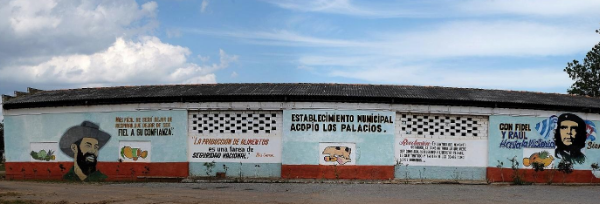
Küba devriminin lideri Fidel Castro, fakat Küba’da kocaman Castro posterleri, heykelleri falan çok az görürsünüz.Küba vatandaşlarının kullandıkları peso denen paraların üzerinde de,turistlerin kullandıkları CUC denen paralarda da Castro resimleri yoktur.Her yerde Che Guevera ve Camillo gibi devrim komutanlarının posterlerini ve objelerinin görürsünüz.


Che Guevera,Kübalılar ve bir çok insan için mücadelenin ve devrimin önemli bir simgesi olmuştur ve hala da olmaya devam etmektedir.Bunda Fidel Castro’nun etkisi büyüktür.Devrimden sonra Sosyalist devrimi tüm dünyaya tanıtacak,kalıcı olmasını sağlayacak bir simge gerekliliği düşünülür.Bu anlam da Che,karizmatik,yakışıklı sayılabilecek ve devrime büyük katkılar sağlamış birisidir.Aynı şekilde Camilo gibi başka komutanlar da vardır.Fakat Che’yi onlardan ayıran en büyük özelliği, başka bir ülke vatandaşı(Arjantin’lidir) olmasına rağmen,halk için,eşitlik ve özgürlük için başka bir ülke adına savaşmış olması ve bu uğurda hayatını ortaya koymasıdır.Bu davranış,başta latin Amerika ülkeleri olmak üzere,dünya da bir çok ülkenin insanları için sosyalizmin,devrimin simgesi olarak benimsenmiştir.Küba devriminin üzerinden 60 yıla yakın bir zaman geçmesine rağmen,Afrika’dan Avrupa’ya kadar bir çok ülkede halk gösterilerinin,sosyalist görüşü benimseyen insanların bir çoğunun mücadele simgesi olmuştur.Küba’ya gelen hemen her turist mutlaka üzerinde Che resmi veya simgesi olan bir ürün alır.

Küba’da Che’den sonra en çok sevilen yabancı kişi,yakın zamanda ölen eski Venezuella devlet başkanı Hugo Chavez’dir. Ülkede her kes tarafından çok seviliyor.Bir çok evde,bazı sokaklar da posterleri vardır.Küba’ya çok yardım etmiştir.Petrol vererek,yollar inşa ederek amborgo ile sıkışan ülkeye nefes aldırmıştır.Bu hizmetlerin karşılığında Küba’da, Venezuella’ya sağlık hizmetleri konusunda doktorlar göndererek,eğitim vererek destek olmuştur.


Küba’lılar sakin ve ağır yaşamayı severler.Telaş içinde ordan oraya koşturan insanlar pek göremezsiniz.Küba’da nelerin olup olmadığı konusunda bazı ünlü yazarlarımız bir çok yazılar yazdılar.Doğru olanlar da var yanlış bildikleri de.Kübalıların geneli daha iyi koşullarda yaşamak istiyorlar.Genel kanı şöyle; Sosyalist devletteki gibi temel ihtiyaçlar eğitim,sağlık,barınma gibi hizmetler ücretsiz olsun,ama internet,alış veriş merkezleri,ışıklı renkli sokaklar falan da olsun.Fakat dünya da henüz böyle bir yönetim şekli oluşmadı maalesef.Dünyanın bir çok ülkesinde paranız varsa her şeye sahip olabilirsiniz ama paranız ve sosyal güvenceniz yoksa sefil olursunuz.Küba’da paranız olmasa da çocuğunuz iyi bir eğitim alır,sokakta kalmazsınız ve en önemlisi her türlü tedavi ve ilaç giderleriniz de ücretsiz karşılanır.Bir ara yolu Küba bulabilir mi bilinmez ama olursa da şahane olur…
Küba'da Eğitim Sistemi
Eğitim okul öncesi yaşlarda başlar.Anne ve baba her ikisi de çalışıyorsa,çocuk yaklaşık 3 yaşlarına geldiğinde devletin CIRCULO INFANTIL denen okullarına gönderilir.Aile çocuklarını haftada 5 gün sabahtan akşama kadar bu okula gönderir.Burada uzman öğretmenler gözetiminde yemek,tuvalet,arkadaşlarıyla geçim,sayılar,renkler vs. gibi temel bilgiler davranışlar öğretilir.Çocuklar oyun saatlerinde oyun oynarlar,öğle yemeğini okulda yerler ve yemek sonrası mutlaka 1 saat uyurlar.Tamamı ücretsiz olan bu okula,sadece anne ve babası çalışan çocuklar 6 yaşına kadar devam ederler.Anne veya babadan birisi çalışmıyorsa,çocuklar 6 yaşında ilkokula başlarlar.


İlköğretim (Escuela Primera) 6-12 Yaş Arası
İlköğretimde iki tip okul vardır.Eğitim programları,müfredat aynıdır.fakat anne ve babanın her ikisinin de çalışması veya birisinin çalışmasına göre ikiye ayrılır.
Escuela Seminternado
Escuela Primeria
Anne veya babadan birisi çalışmıyorsa evdeyse bu tür ailelerin çocukları bu okula devam eder.Bu okulda sabahçı ve öğlenci olmak üzere iki grup vardır.08:00 – 12:30 arası sabahçılar,13:00 – 17:00 arası öğlenciler okula gider.Bu okulda öğlen yemeği ve uyku yoktur.Çocuklar yemeklerini evlerinde yerler.
İlköğretimde her iki okul tipinde de eğitim 6 yıl sürer.Çocukların formaları,defter,kitap,kalem gibi tüm okul gereçleri devlet tarafından karşılanır.


Lise (Escuela Secundario) 13-15 Yaş Arası
İlköğretim sonrası lise eğitimi başlar. Lise de sabahçı ve öğlenci olmak üzere iki grup vardır. Öğrencilerin tüm okul gereçleri devlet tarafından ücretsiz karşılanır. Küba’da her çocuk ilköğretim ve lise okumak zorundadır. Liseden sonra istemeyen çocuk eğitimine son verebilir. Ayrıca liseyi bitirene kadar hiçbir çocuk işçi olarak çalıştırılamaz. Küba’da çocuk işçi yoktur.
Ön Üniversite Eğitimi (Pre Univercidad) 15-18 Yaş Arası
Lise eğitimi sonrası, üniversiteye devam etmek isteyen çocuklar bu okula devam eder. Eğitim burada 3 yıl sürüyor. Her yılın not ortalaması alınır ve 3 yılın sonunda bir üniversite sınavı yapılır. 3 yıllık not ortalaması ve üniversite sınavından aldığı puana göre öğrenci üniversiteye yerleştirilir. Öğrenciler 6 farklı tercih yapabilirler. Fakat her yıl hangi bölüme kaç öğrenci alınacağına devlet karar verir. Devletin ihtiyacına göre gerekli bölümler için sayı belirlenir ve notları en yüksek olanlar ile sınavdan en iyi puanı almış öğrenciler ilgili bölümlere yerleştirilir. Devlet, hangi bölümlere ne kadar öğrenci alınacağını okullardaki panolara duyurular yaparak açıklar.
Bir üniversiteye yerleştirilen öğrenci ikamet yerine en yakın olan ünversiteye gitmek zorundadır.Evine 4 saat veya daha fazla yol mesafesi olan öğrenciler yatılı olarak bu okullarda okuyabilir.Üniversitede de tüm öğrenci ihtiyaçları devlet tarafından ücretsiz karşılanır.


Küba'da Askerlik
Küba’da sakat ve hasta olmayan,sağlığı yerinde olan her erkek mecburi askerlik yapmak zorundadır.Üniversiteyi kazananlar,üniversiteye gitmeden önce 1 yıl,üniversiteye gitmeyenler ise 2 yıl askerlik yapar.
Küba'da Çalışma Ve Ücretler
Küba’da hemen herkes devlette çalışır.Çalışmak isteyen hemen herkese iş imkanı var.fakat son yıllar da istihdam fazlası ve devletin ekonomik gücünün zayıflaması ile az da olsa işsizler oluşmaya başlamıştır.Küba’da en düşük ücret 10-12 Euro’dur.Bu da genel de vasıfsız işlerde çalışanlar için geçerlidir.Avukat 15 Euro,mühendis 15 Euro ortalama aylık ücret alır.En yüksek ücreti ise doktorlar alır bu da 40-45 euro civarındadır.İnsanlar sermaye bulup kendilerine iş kurmak isterlerse,mesela bir kafe,restoran falan çalıştırmak isterlerse bu mümkün fakat kazançlarının yarısını devlete vermeleri gerekir.


Bize göre oldukça düşük sayılabilecek ücretler. Ama insanlar bir şekilde geçiniyorlar. Küba’da devlet vatandaşlarına her ay ücretsiz yiyecek dağıtır. COMIDA LIBRETA denen bir karne ile ailedeki her bir birey için 1 aylık yiyecekler ücretsiz dağıtılır. Bu karne ile neler mi veriliyor? Her bir kişi için: Pirinç, 1 kg; Sıvı yağ, 1/2 litre; Fasulye, 1/2 kg; Kahve, 1 paket (300 gr kadar); Şeker, 1 kilo; Tuz, 1 paket; Kibrit, 2 kutu; Makarna, 1 paket (1/2 kg); Diş macunu, 1 tüp. Ayrıca her 2 ayda bir 1 kg kadar tavuk verilir. Yazılanların aksine et verilmez.


Küba’lılar için birçok şeyin ücreti bize göre oldukça düşük.Ortalam aylık giderlere bakacak olursak;elektrik aylık ortalama 2,5-4 Euro arası.Evde klima ve elektrikli aletler varsa 4 Euroya çıkabiliyor.Su ucuz,aylık ortalama 0,25 Euro gibi.Evde ev telefonu varsa şehir içi konuşmalar için 1-2 Euro,şehirler arası konuşma yapılırsa 8 Euroya kadar çıkabiliyor.Yani çok geyik muhabbeti yapmazsanız makul bir rakamda.Doğal gaz sadece Havana’da vardır,diğer şehirler de tüpgaz ve elektrik kulanılır.
Yiyecek,içecek vs. satan marketler vardır fakat çoğunun rafları tam dolu değildir.Hemen her şey ithal geldiği için,bir çok şey çoğu Küba’lının alamayacağı kadar pahalıdır.Halk genelde açık alanda kurulmuş küçük semt pazarlarını tercih eder.Zaten bir çok şey seyyar satıcılar tarafından sokaklarda satılır.


Ülkede inek,dana gibi büyük baş hayvan kesmek yasaktır ve hapis cezası vardır.Sadece devlet kesim yapabilir.Kuzu ve tavuklarda böyle bir kısıtlama yok.Dana eti kaçak satılıyor,bazı insanlar çiftliklerden hayvanları çalarak kesip satıyorlar.Bu şekilde satılan dana etinin kilosu 2 Euro.Kuzu etinin kilosu 1,5 Euro,tavuğun kilosu ise yaklaşık 2 Euro.
Küba okyanusta bir ada devleti olmasına rağmen balık çok pahalı.Halkın çoğu yiyemiyor,teknelerle insanların kaçacağı şüphesi ile balıkçılık yapmak yasak.Sadece devlet avlanma yapabiliyor ve o da başka ülkelere ihraç ediyor.Halkın en çok tercih ettiği ise domuz eti.Kilosu 1,5 Euro.Halk ta besleyip satabiliyor.


Ulaşım
Kübalılar şehiriçi ulaşımda genellikle belediye otobüslerini kullanıyorlar.Bilet 10 kuruş kadar oldukça ucuz.Minibüsler de ise 50 kuruş civarı.Eski Amerikan arabalarının kullanıldığı taksi dolmuşlar ise biraz pahalı.Bir çok şehirde ulaşım olarak at arabaları toplu ulaşım olarak kullanılıyor.Havana’da ayrıca coco taksiler ve tek kişinin kullandığı bisiklet araçları mevcuttur.


Yorumlar